Project Overview
I worked with the Pride Center during a period of transition following a building remodel, helping refine and expand its visual identity across platforms. This collaboration included rebranding efforts, event promotion, social media design, and the development of a more consistent and approachable visual system. As the Pride Center evolved physically and organizationally, its visual presence needed to reflect better its values of inclusivity, visibility, and community.
The goal was to create consistency without losing warmth or personality..
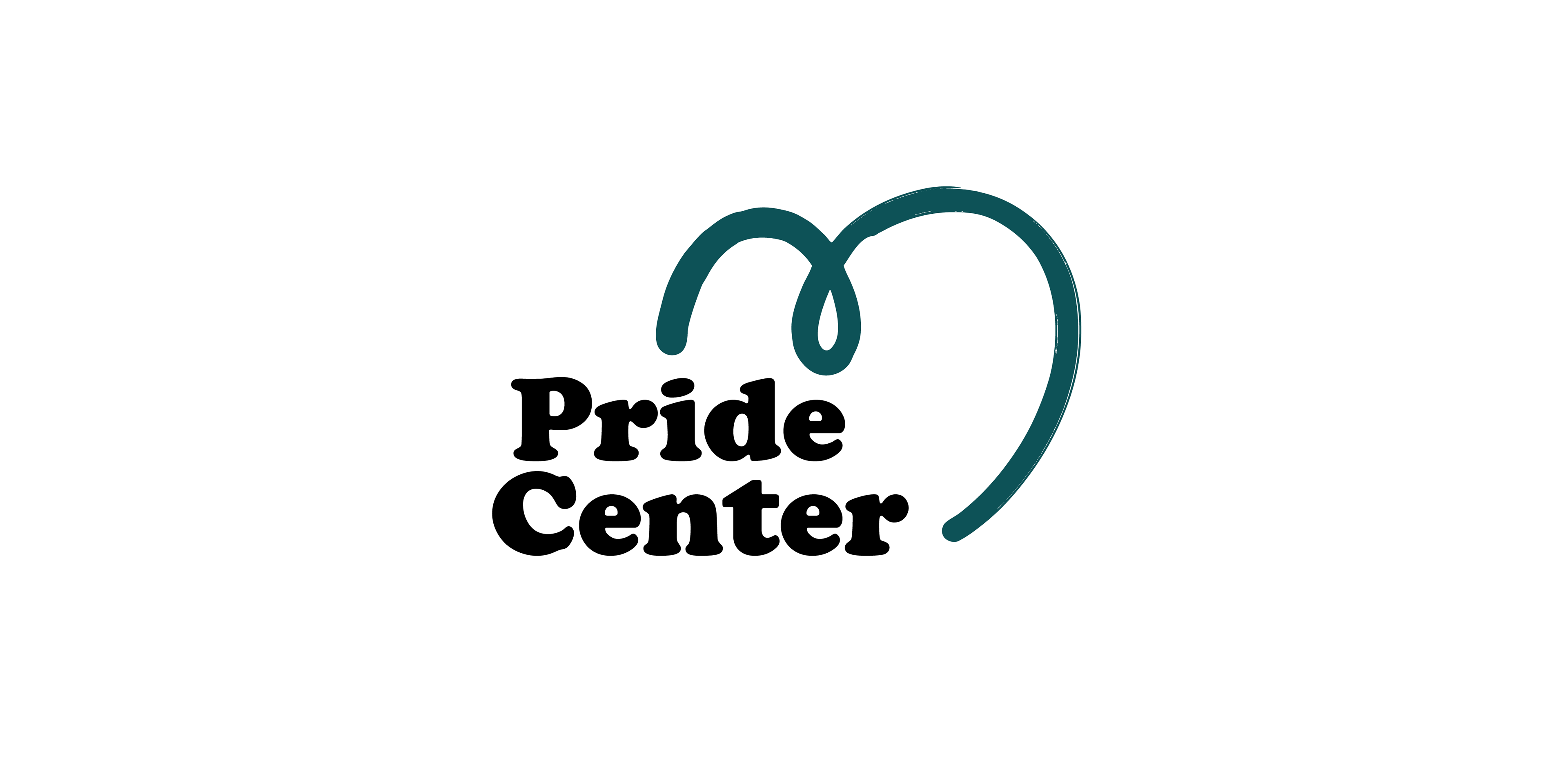
New Logo, Project Linked
The Challenge:
Rather than treating each deliverable as a separate project, I focused on building a flexible visual foundation that could support ongoing communications. I met with the director of the center and staff to discuss what direction they wanted to move forward in for their new branding.
This included:
- Refining logo variations
- Clarifying color and typography direction
- Designing digital flyers and print posters
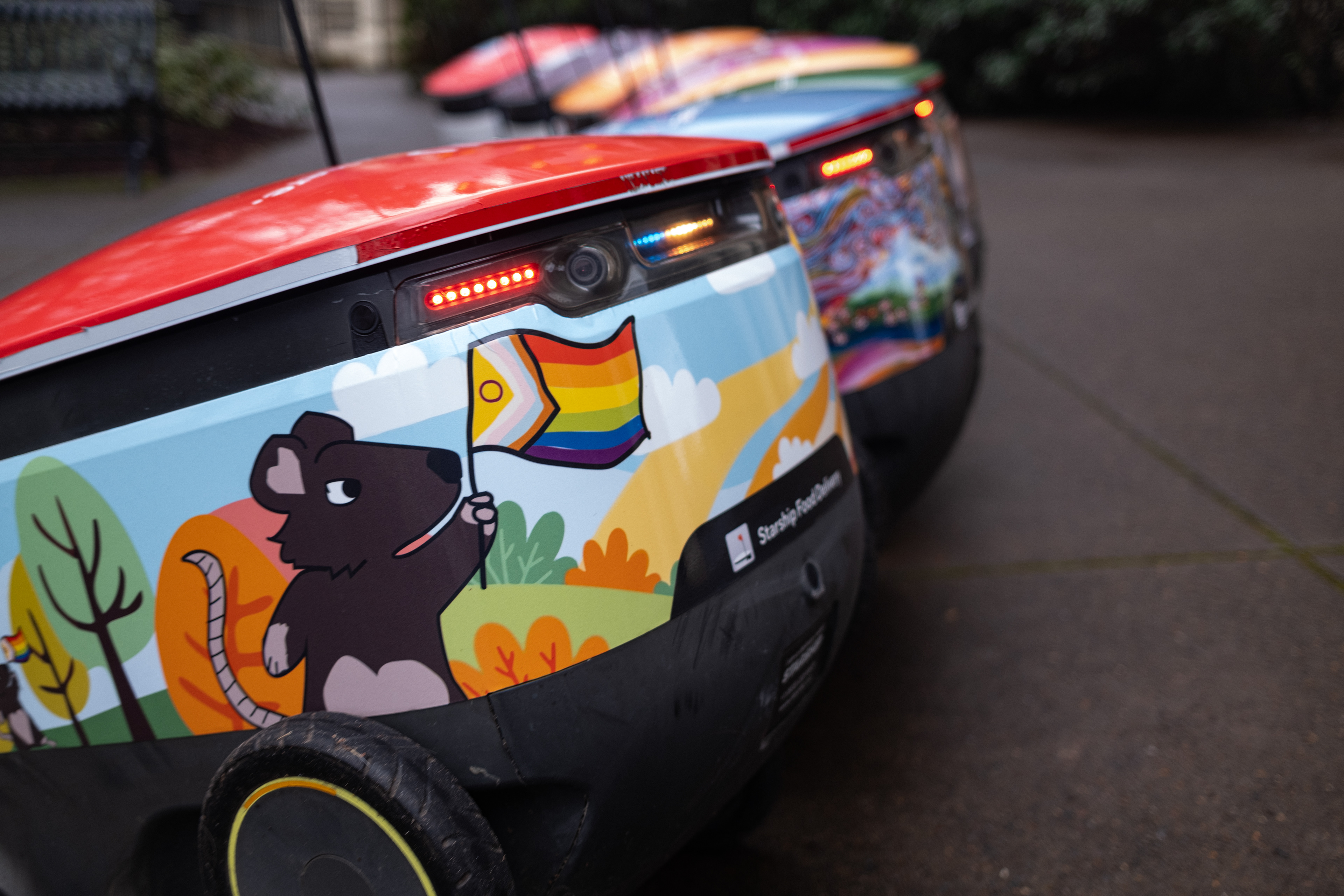
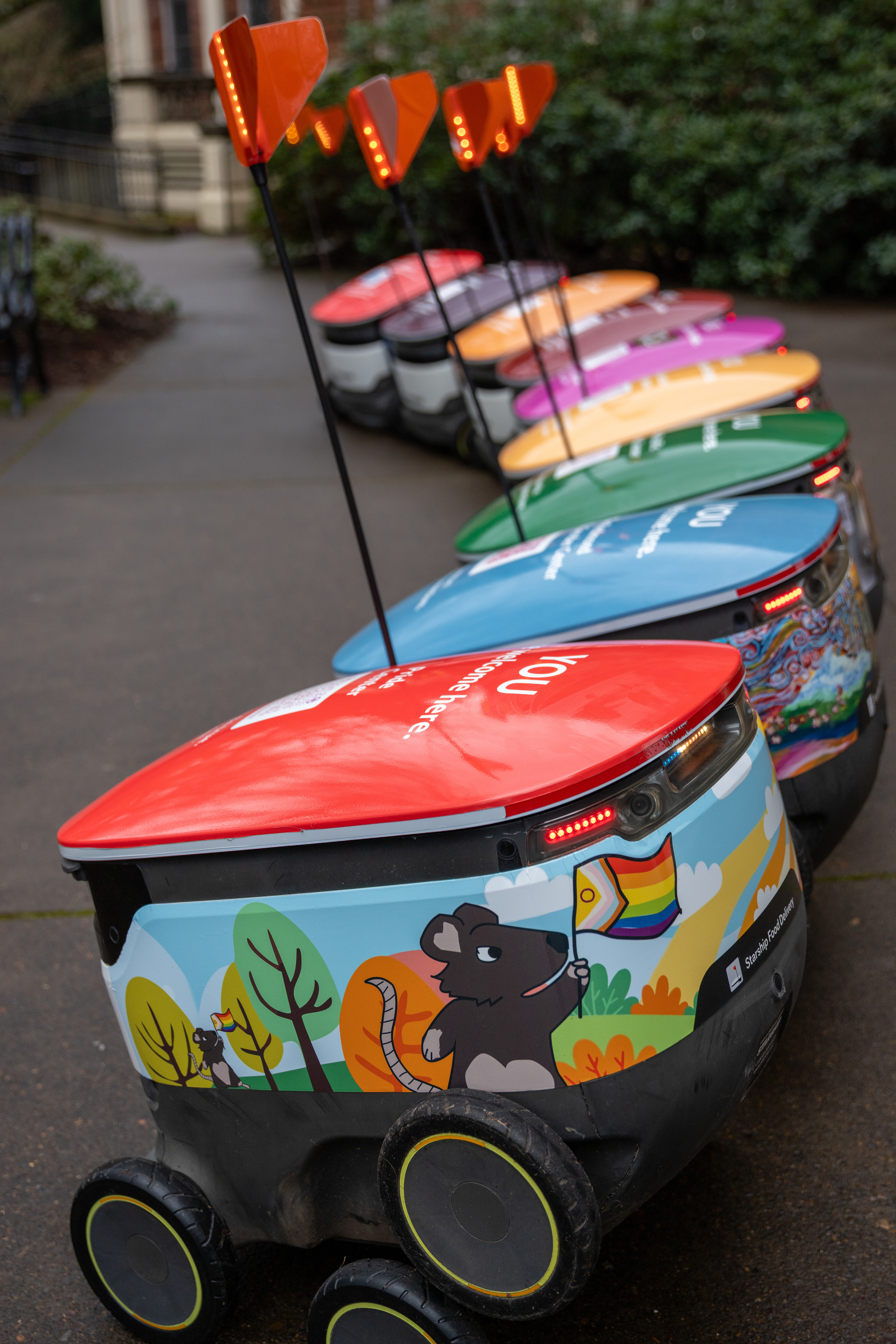
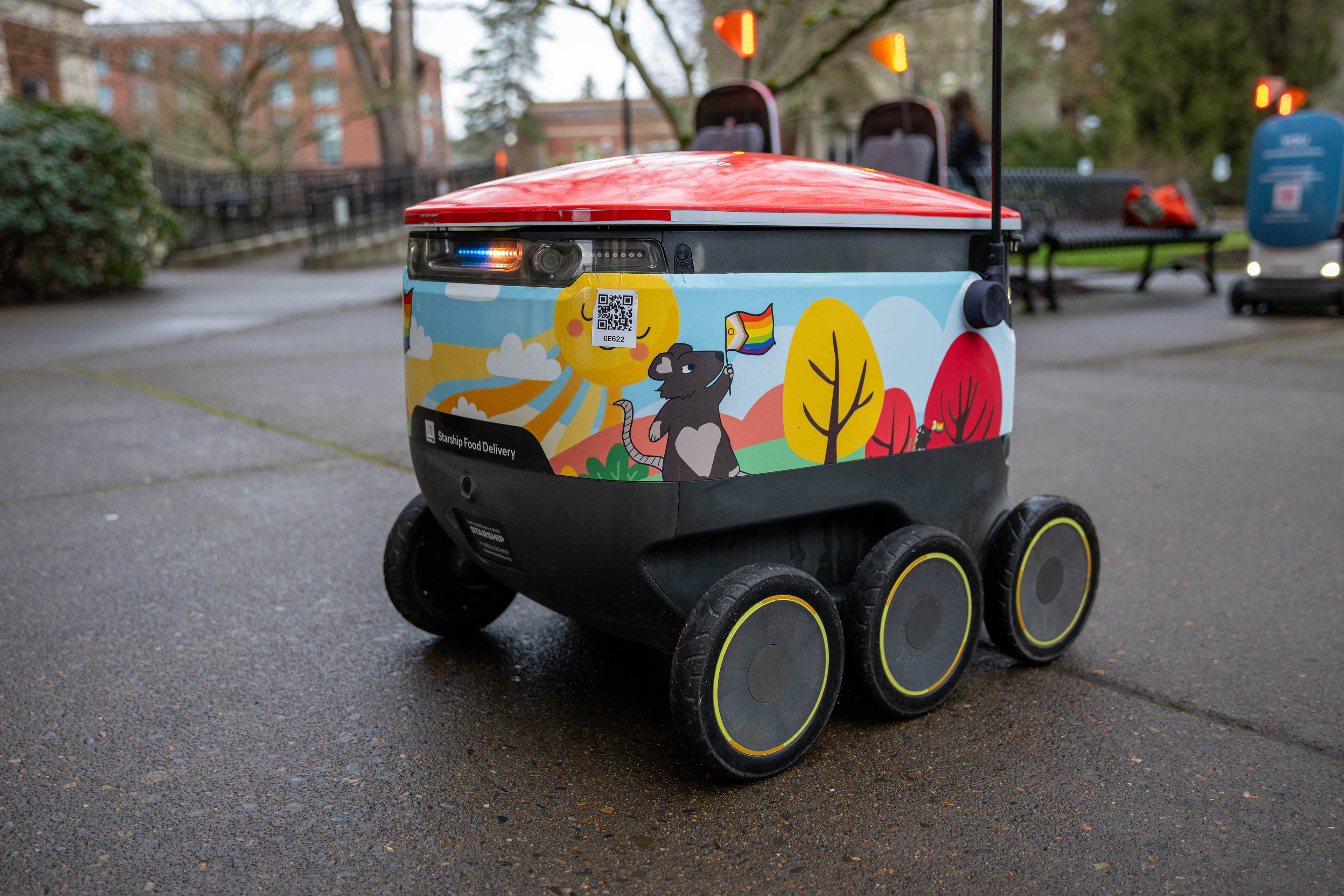
- Designing the Center’s unofficial mascot to add approachability and personality
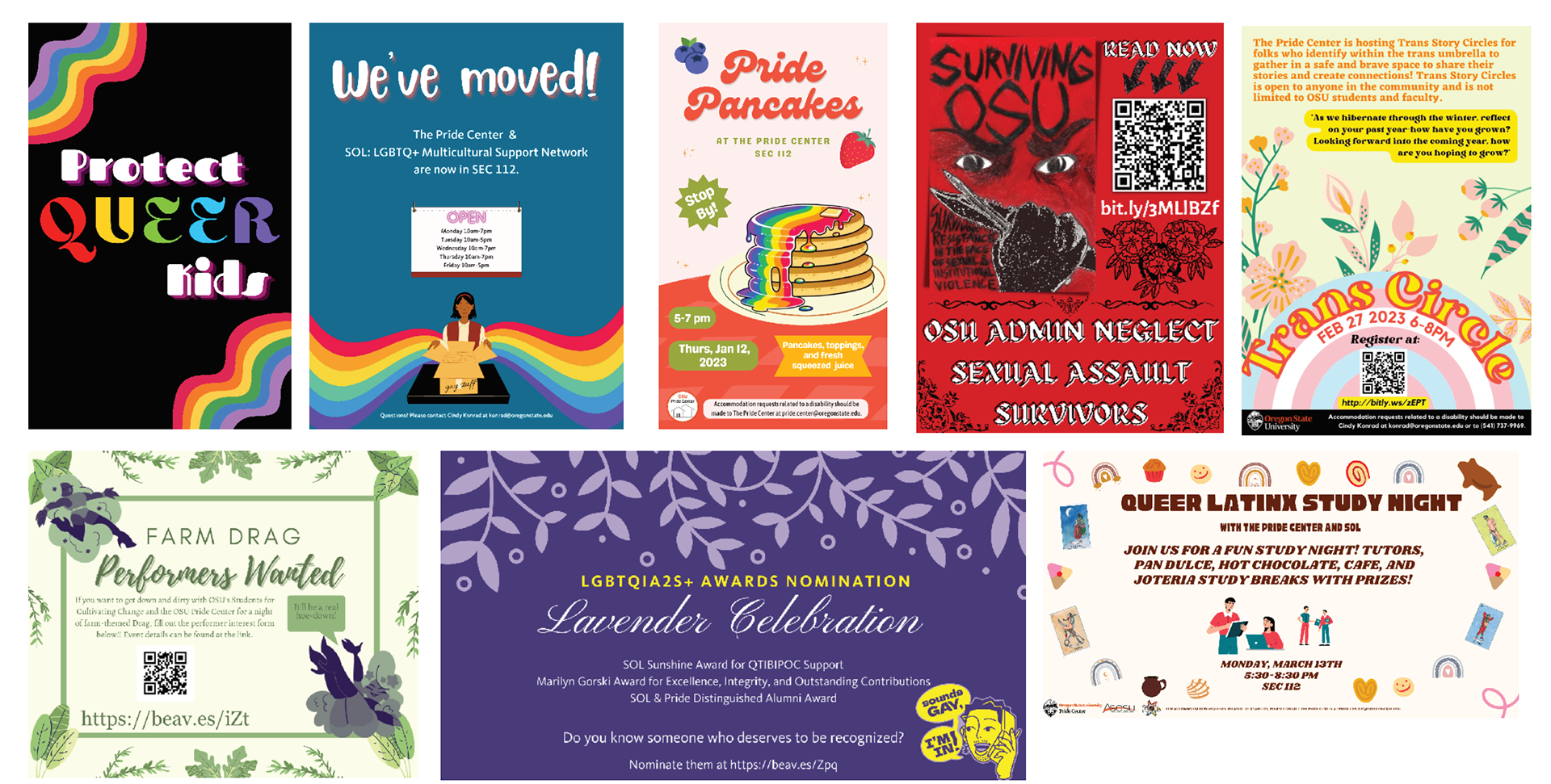
Designs before I joined, a bit all over the place
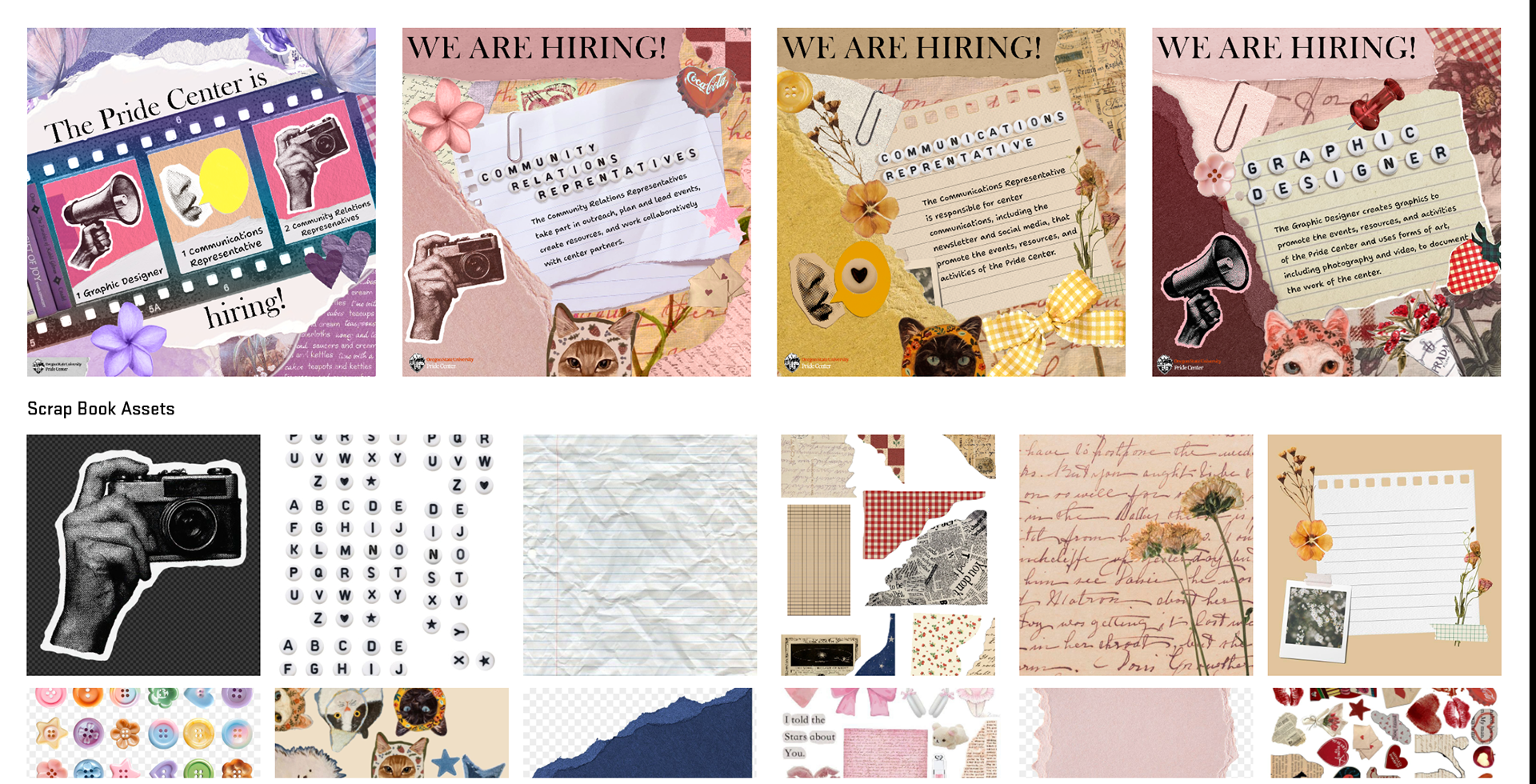
Mood Board and Pieces
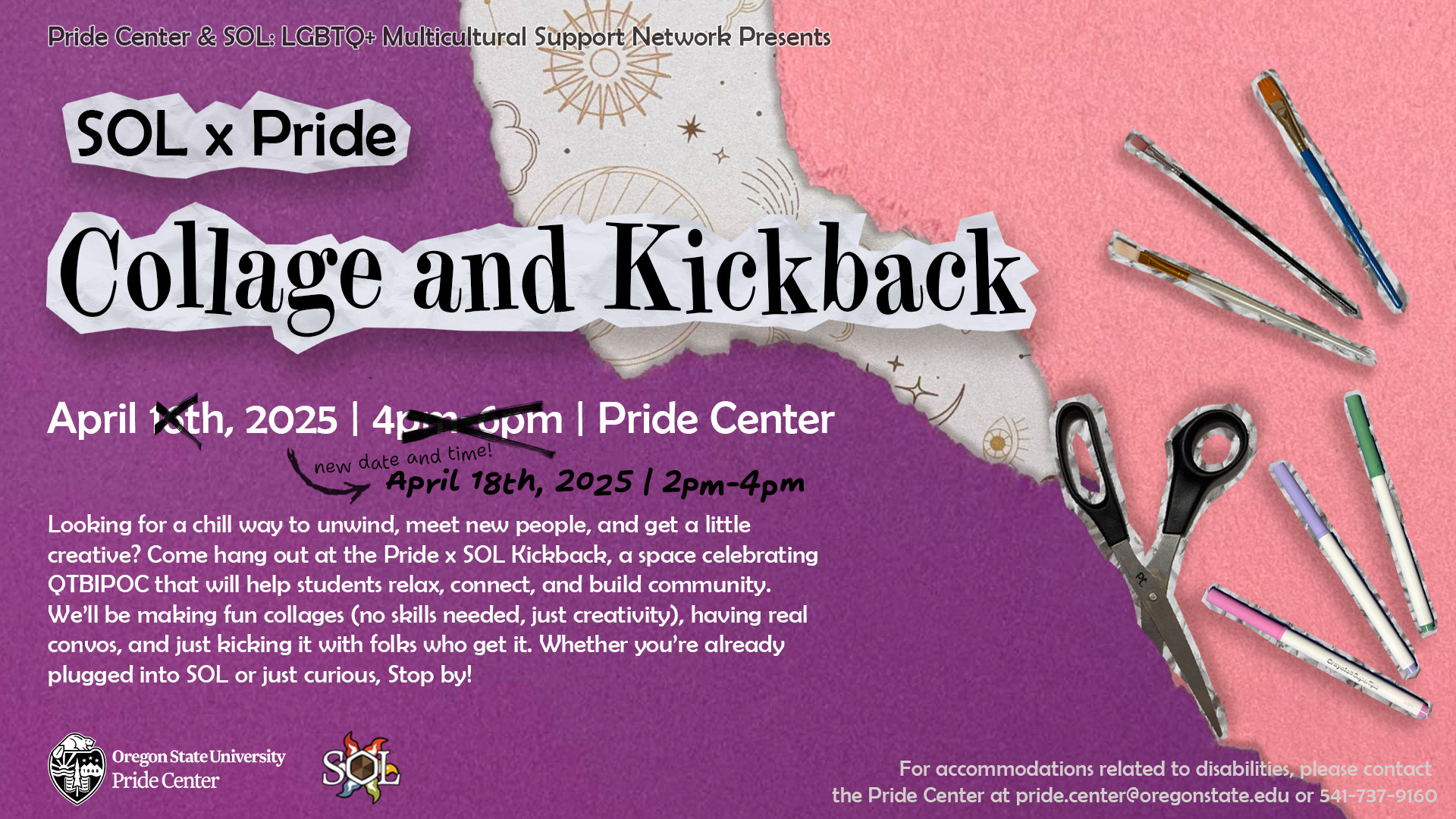
Event Screen Ad
Stickers
Community Stickers:
As part of expanding the Pride Center’s visual presence, I designed a series of jellyfish-themed pride stickers that combined playful illustration with identity representation. Each sticker paired a different jelly fish colored pride flag colors, creating small, joyful graphics that felt both approachable and affirming.
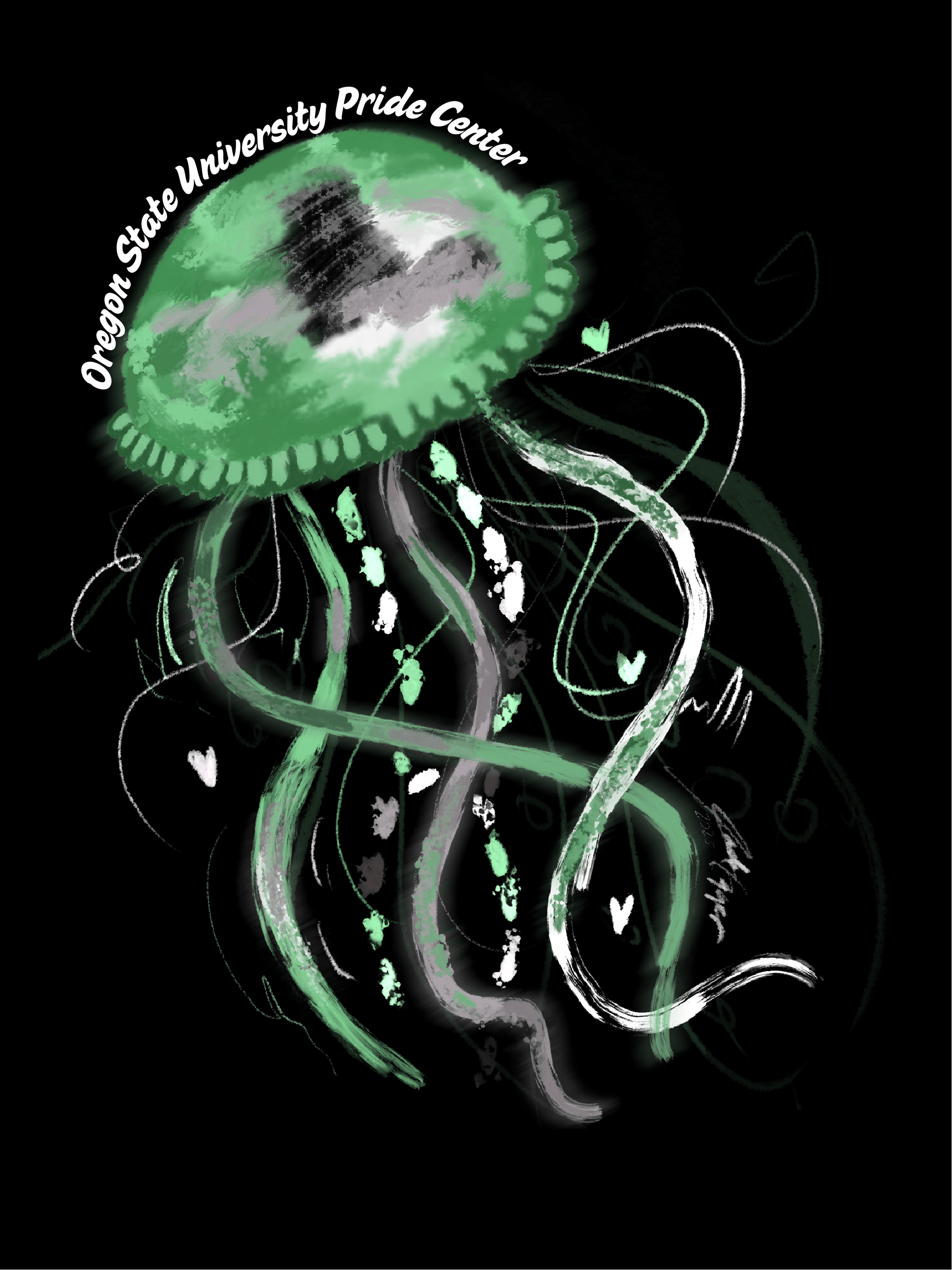
aromantic
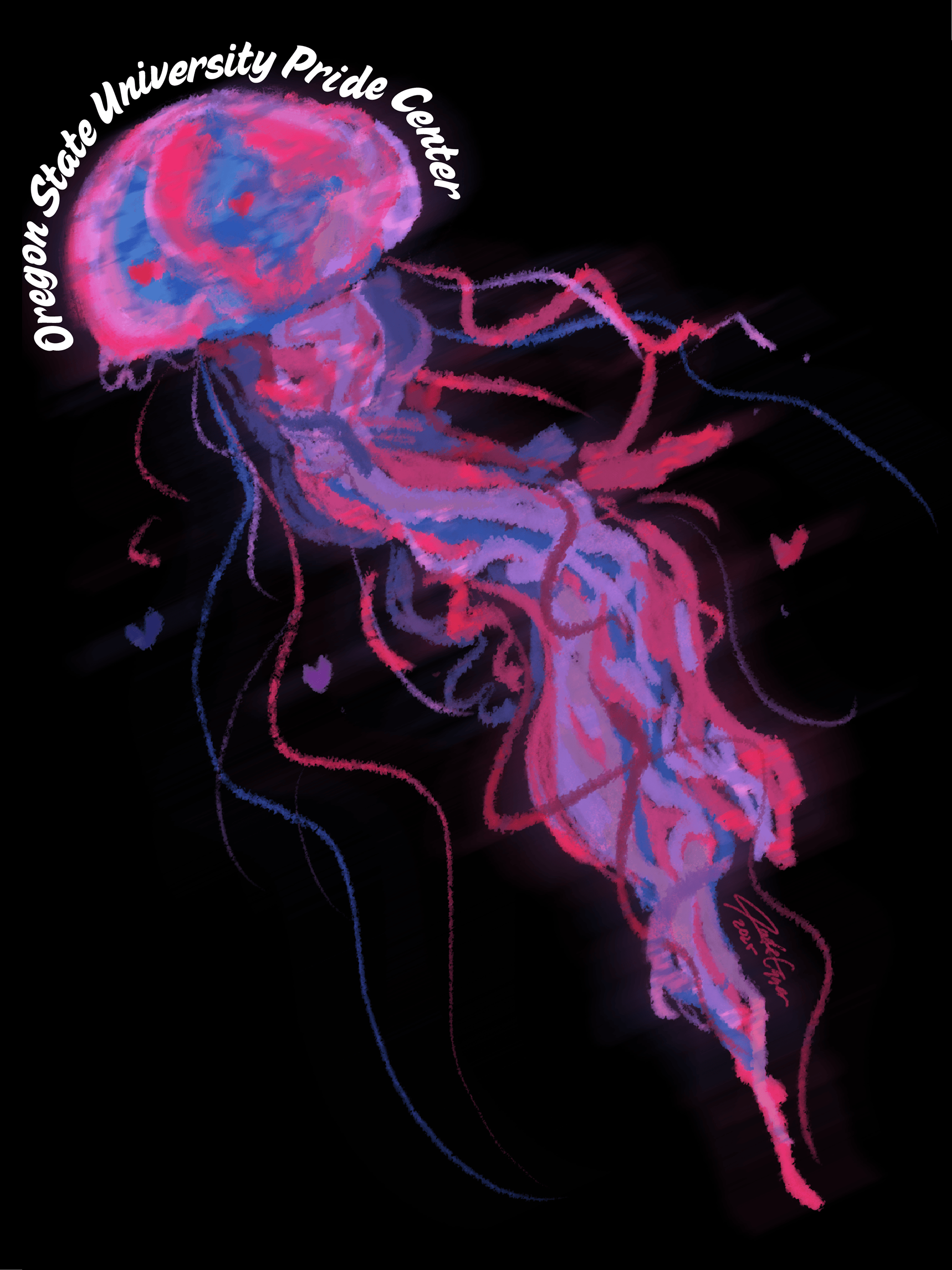
bisexual
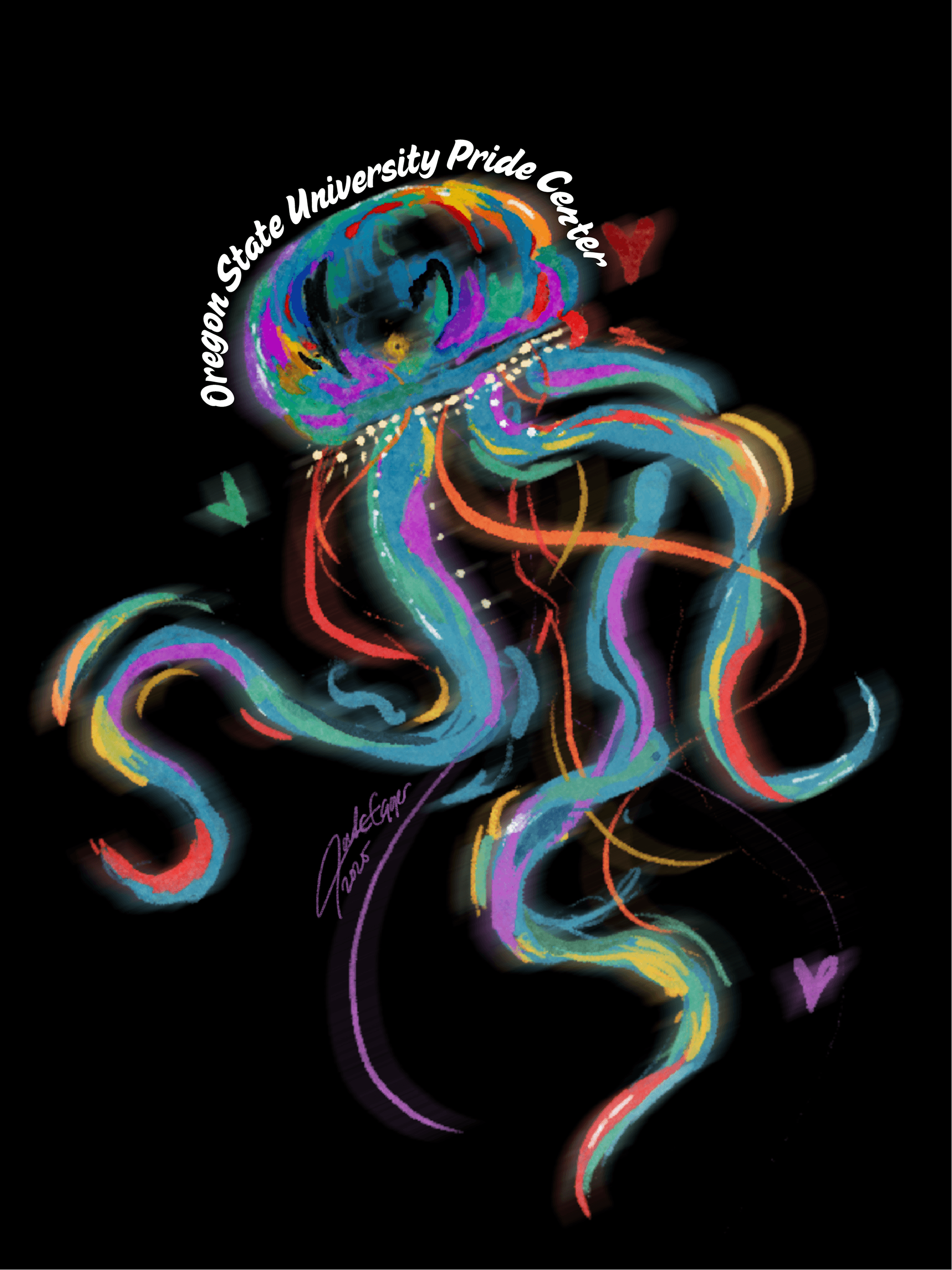
LGBTQ
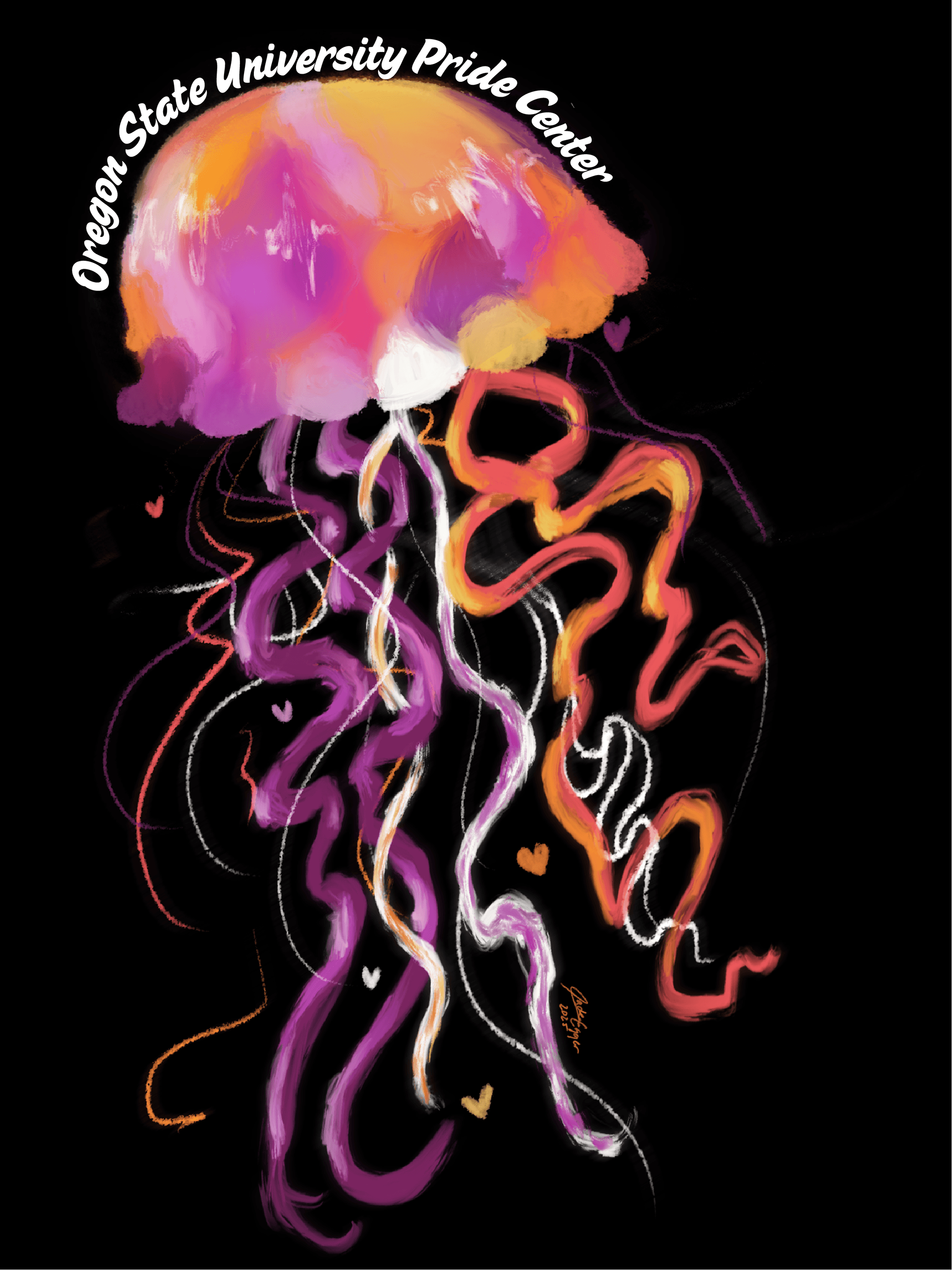
Lesbian
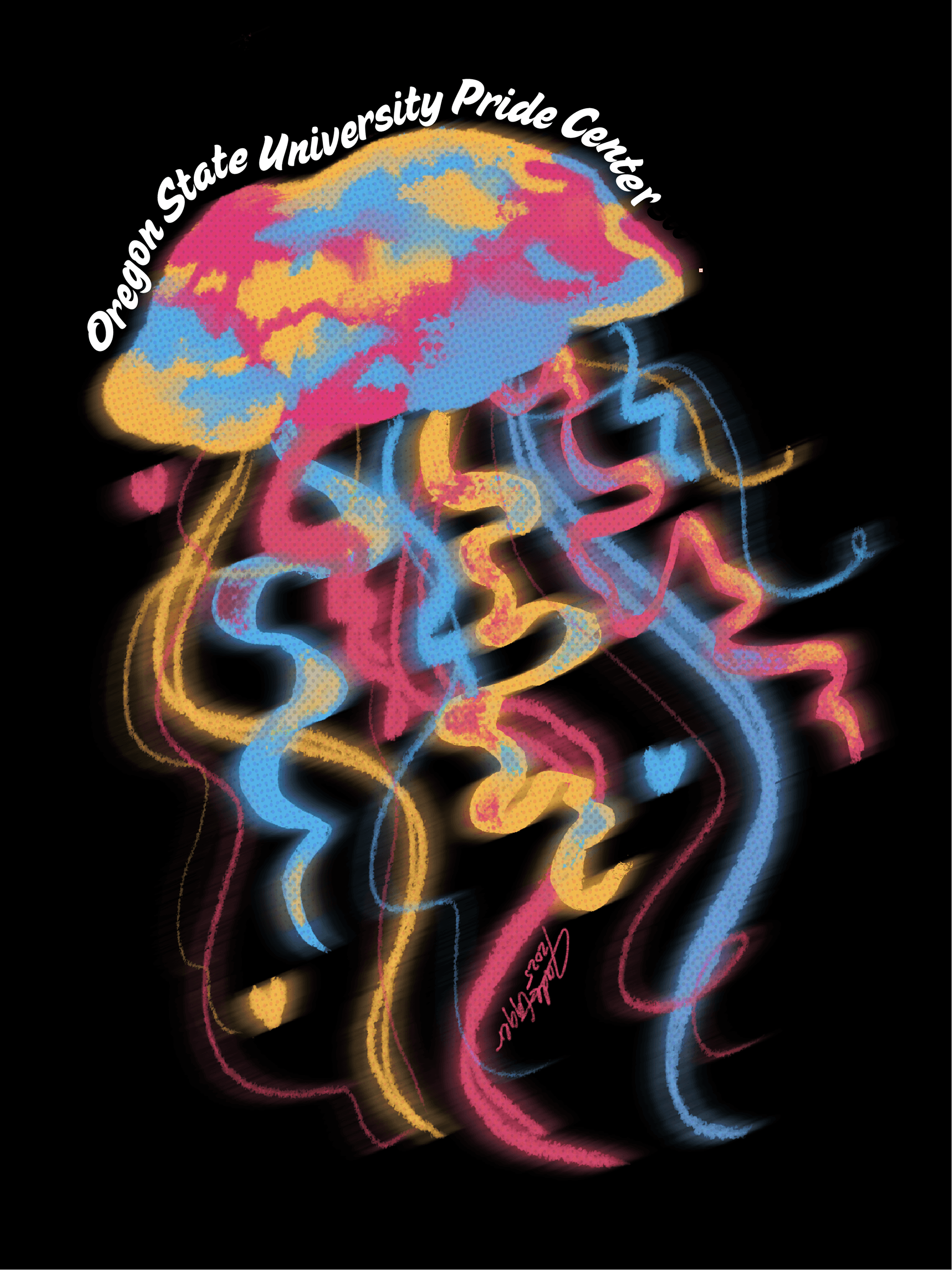
Pansexual
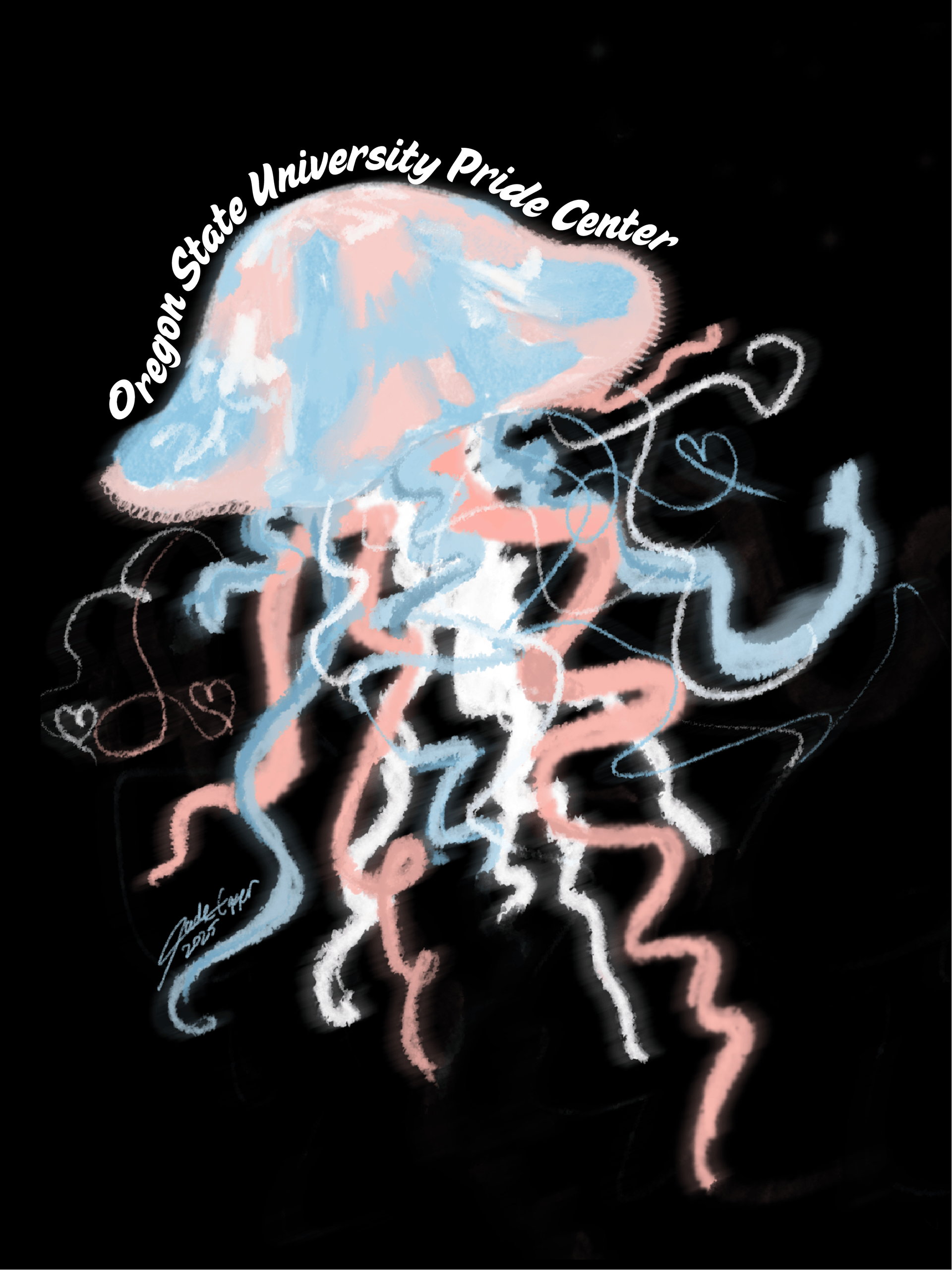
Transgender
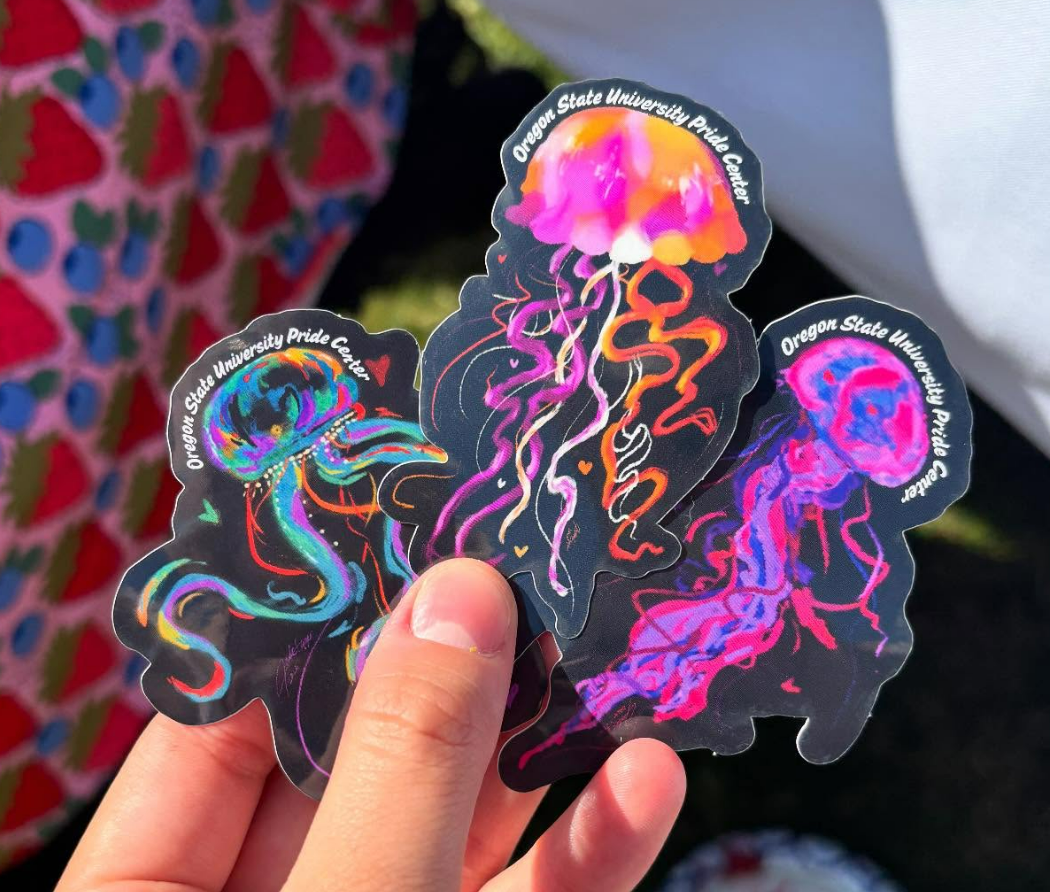
Printed Stickers!
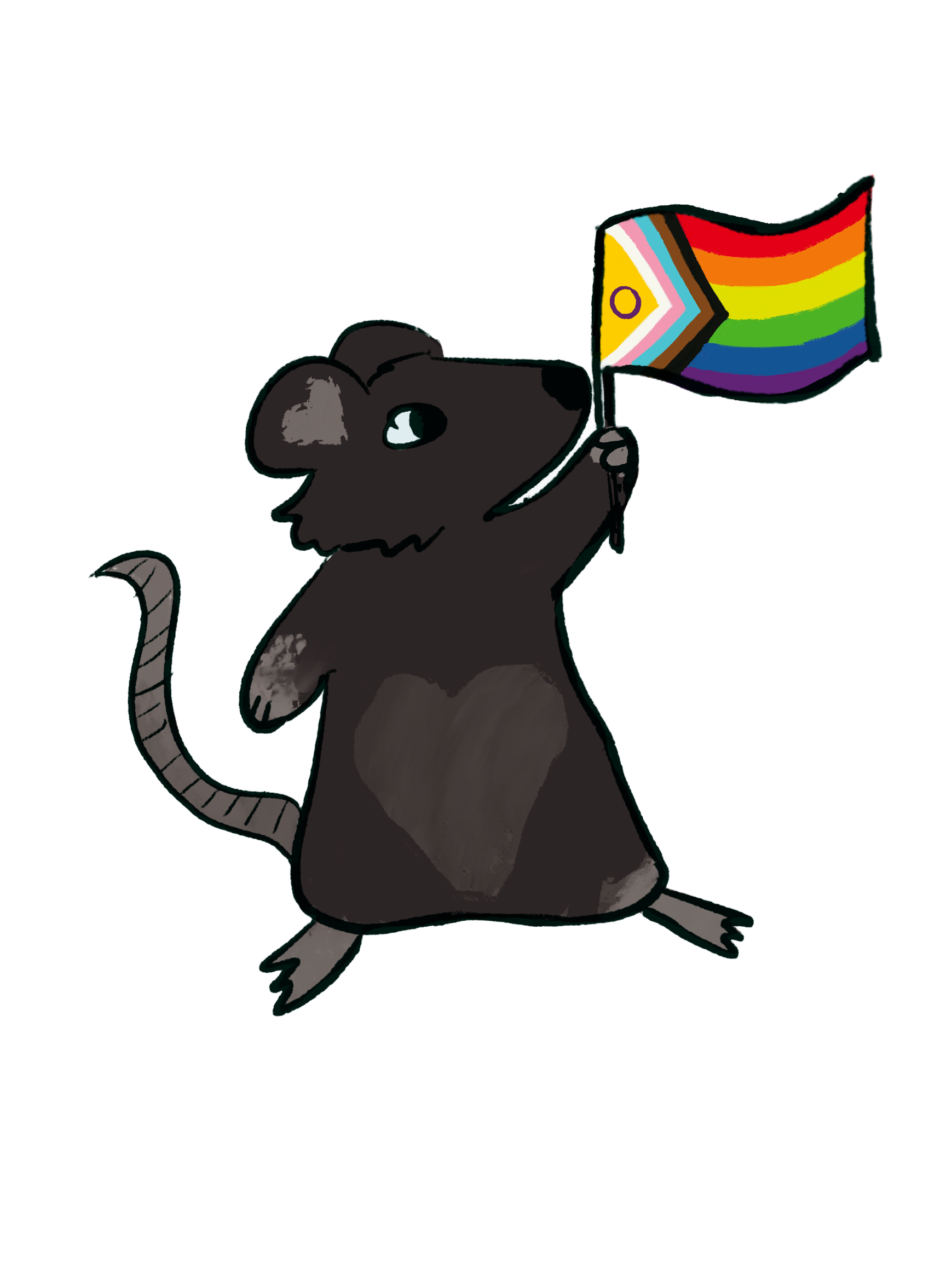
Archbold, Rat Mascot
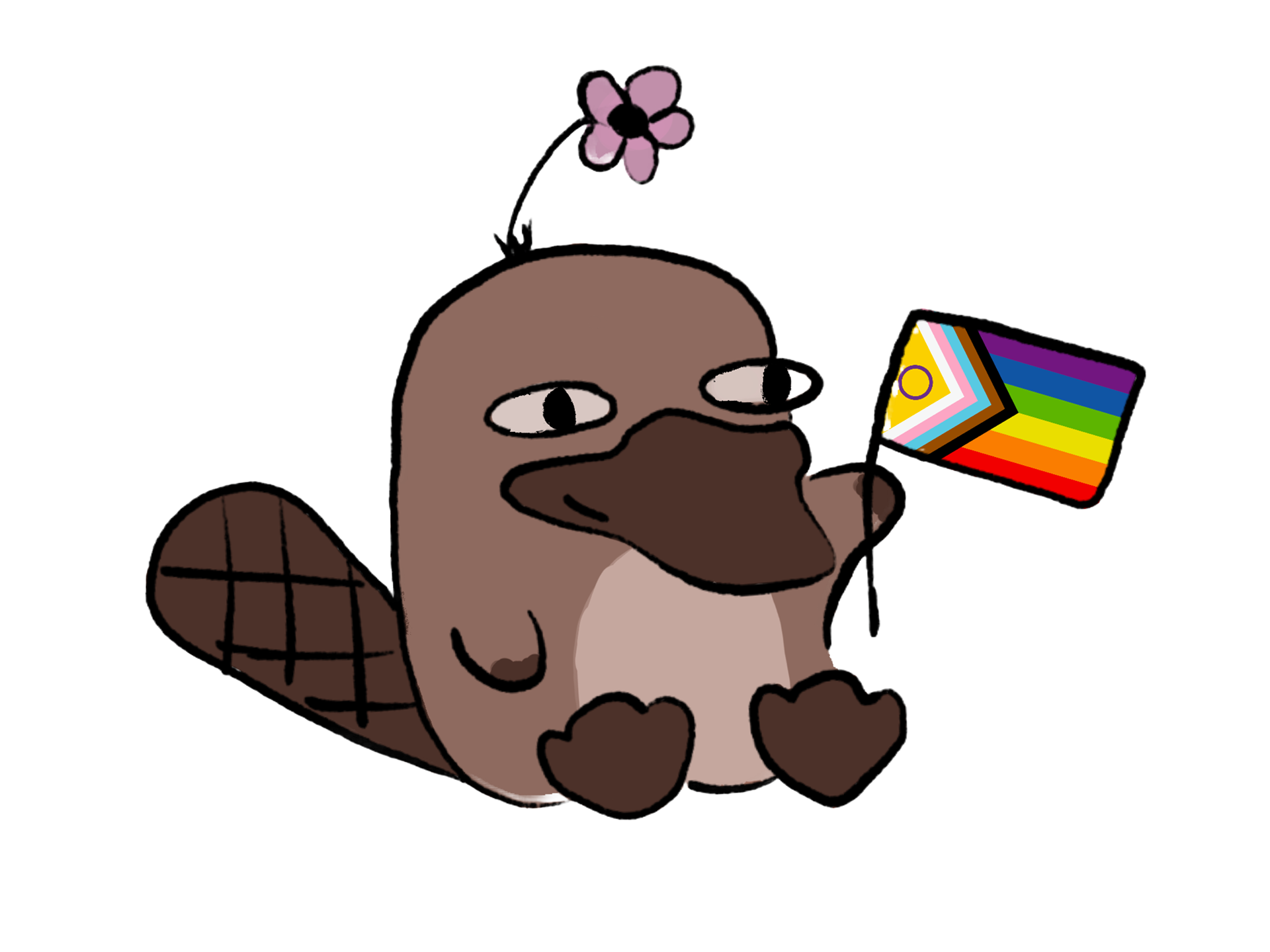
Platypus, Traced From Coworker's Art (with permission)
The Outcome:
The result was a more cohesive and recognizable visual presence across platforms. By establishing repeatable ideas and styles, the Pride Center gained stronger visual consistency while maintaining flexibility for future programming. This allowed future designers to have a foundational design style they could start off with. Then from there, they could create their own spin on it.